LCA Uganda 3-Day Safeguarding, Compliance & PSEAH Training
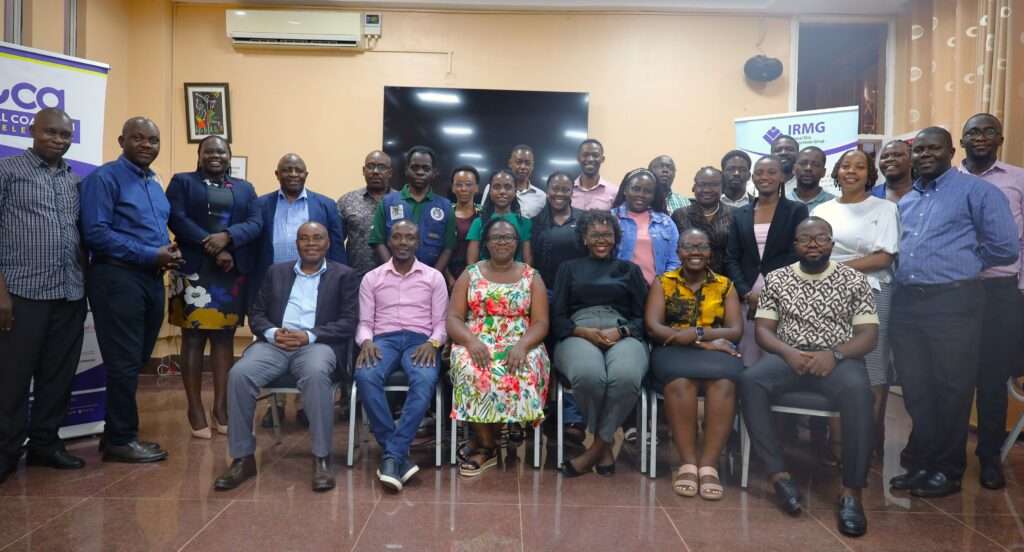
From April 13th–15th, 2026, the Internal Risk Management Group (IRMG) conducted intensive training for senior leadership from all LCA Uganda member organizations. This three-day program focused on Safeguarding, Risk Management, Workplace Investigations, and the establishment of a Community of Practice (CoP).
By centering on the four pillars of safeguarding—Policy, People, Procedures, and Accountability—the training strengthened organizational capacity across the network. Through practical tools and survivor-centered case studies, participants identified critical policy gaps and committed to embedding a proactive safeguarding culture within their respective organizations. The session concluded with a roadmap for policy refinement and enhanced risk mitigation strategies.
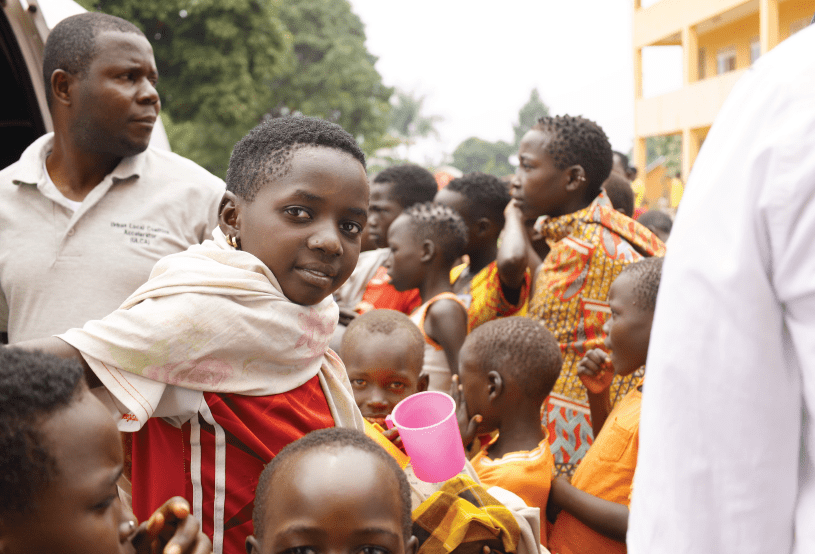
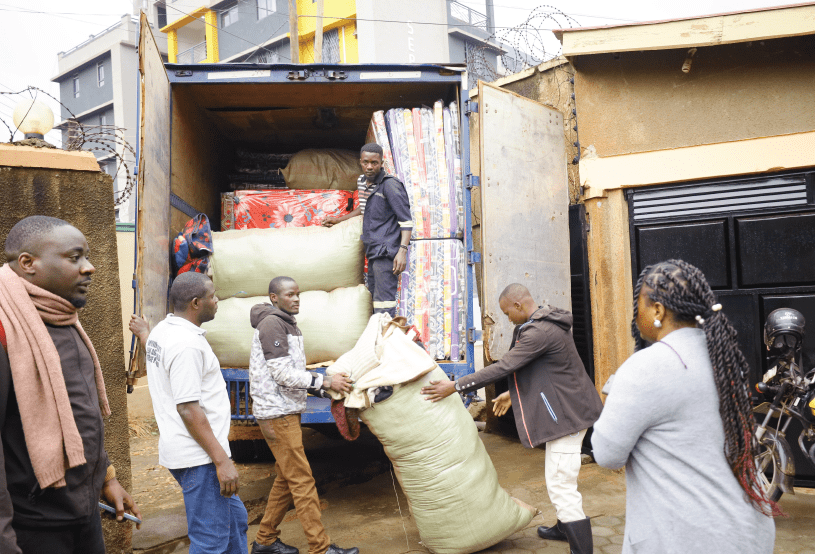
200 Mattresses given to Masulita Children’s Home
LCA-Uganda responded to a call made by the Kampala Capital City Authority of supporting the Masulita Children’s Home with beddings. In January, 2024, over 200 children were rescued from the streets of Kampala and taken to the home without any essentials like beddings that they would use while they are there. LCA Uganda distributed 200 mattresses to the children and 100 blankets to use while they are at the home as opposed to sleeping on the tiled floor.
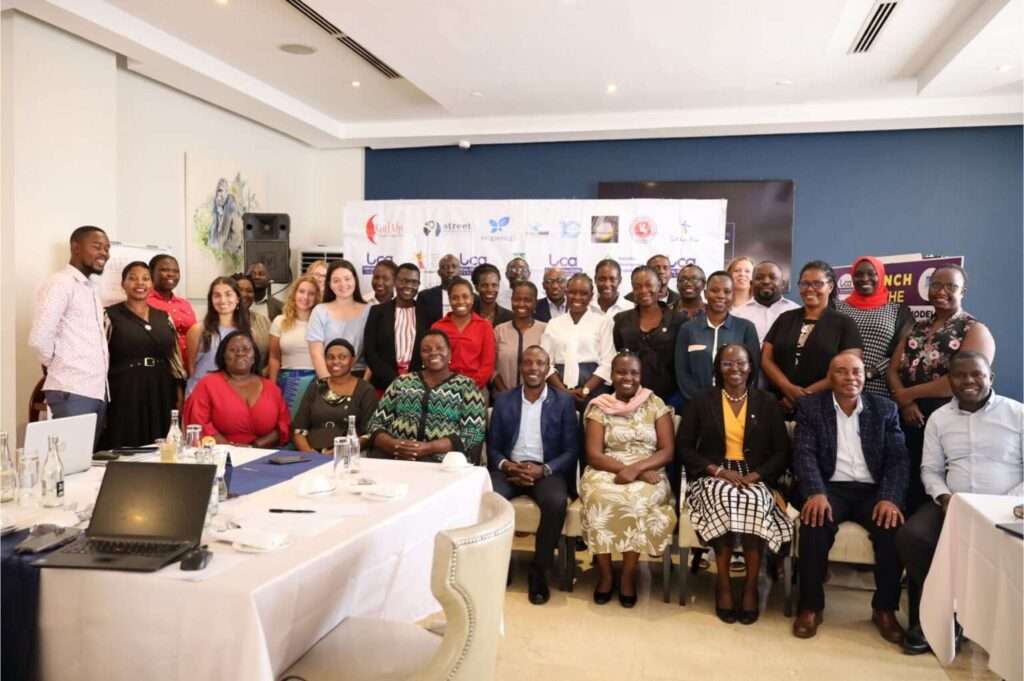
Launch Of The Two-Generational ECCD Model to Boost Early Childhood Development and Family Livelihoods.
On 31 July 2025, the Local Coalition Accelerator Uganda (LCA Uganda), with support from the Conrad N. Hilton Foundation, officially launched its Two-Generational Early Childhood Care & Development (ECCD) Model at the Golden Tulip Hotel in Kampala.
The launch brought together key stakeholders—including government agencies, development partners, NGOs, community leaders, and the media—to explore a new, integrated approach to improving the lives of young children and their families.
A Holistic Approach to ECCD
The Two-Generational Model addresses both the developmental needs of children aged 0–5 years and the livelihoods of their caregivers. By combining quality early childhood education with targeted economic support for families, LCA Uganda aims to ensure that children thrive in safe, nurturing, and supportive environments.
Speaking at the event, LCA Uganda outlined three main objectives of the model:
- Enhancing child development through quality ECCD programs.
- Improving household livelihoods—including for refugee families—via cash grants and business skills training.
- Strengthening LCA Uganda’s institutional capacity with a fully staffed and independent secretariat.
Key Targets for Impact
Over the coming implementation period, the model aims to:
- Train 85 ECCD practitioners and host 8 coordination forums to influence policy.
- Upgrade 22 ECCD centres to meet quality standards, enrolling 520 children, with 70% expected to demonstrate gains in literacy, cognitive, and socio-emotional skills.
- Support 138 youth with vocational training, form 150 Self-Help Groups (SHGs), and provide cash grants to 520 households, enabling 94% of SHGs to offer low-interest loans.
- Provide organisational support to 13 member organisations, complete 60% of organisational development plans, and fully establish LCA Uganda’s secretariat.
The Expected Transformation
Through this initiative, LCA Uganda and its partners envision:
- Improved school readiness for young children.
- Stronger economic resilience for vulnerable households.
- A sustainable, professional coalition that can guide ECCD interventions across Greater Kampala and beyond.
Partnerships at the Core
The event drew participation from the Office of the Prime Minister (OPM), Kampala Capital City Authority (KCCA), Ministry of Gender, Labour and Social Development (MoGLSD), LCA Uganda’s 13 member NGOs, local authorities, civil society groups, and the media. It concluded with a united call for all stakeholders to align budgets, share evidence, and champion inclusive ECCD—ensuring that every child and caregiver has the opportunity to thrive.